
The screencard: video booklets for trade fairs and events
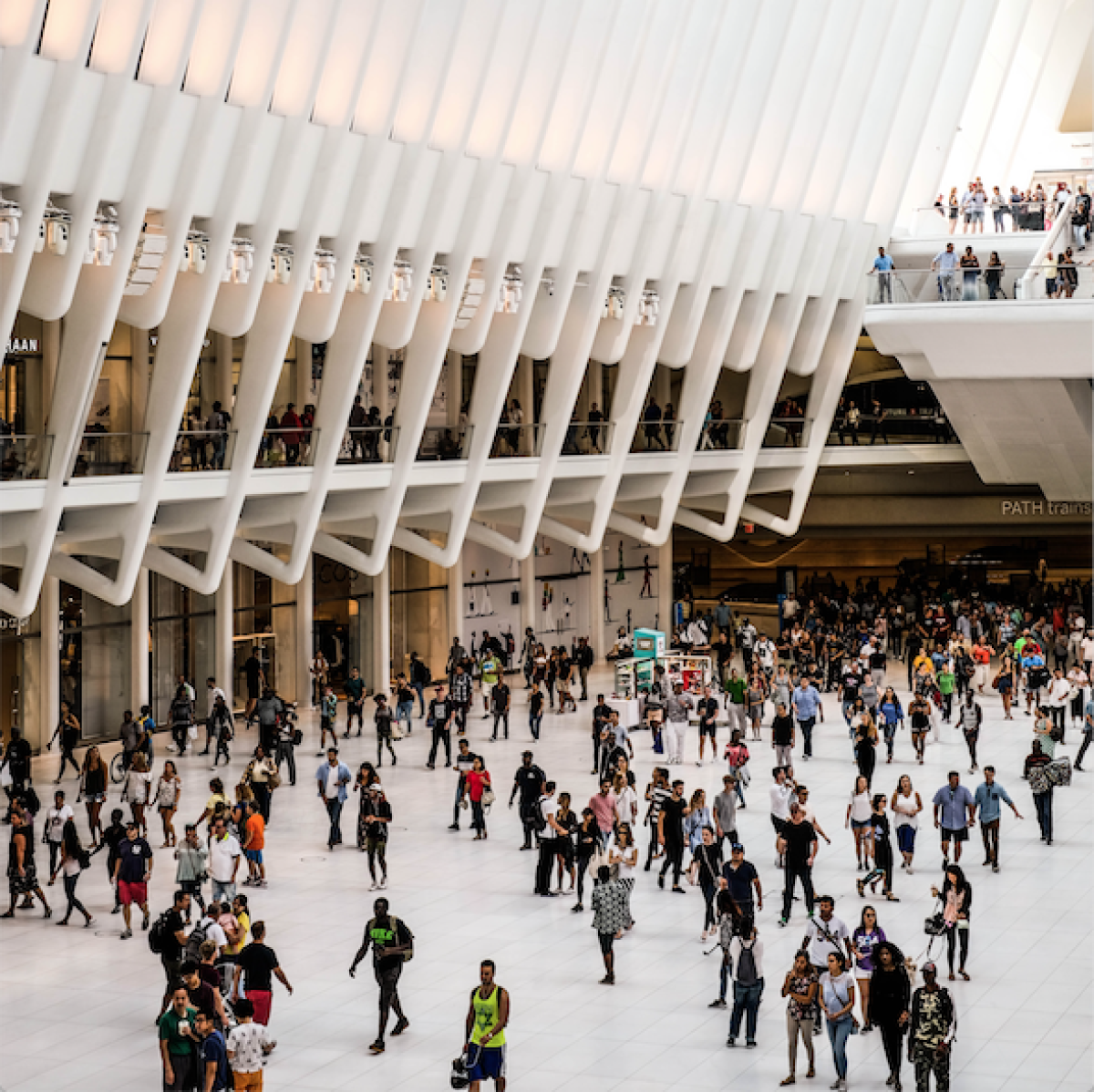
A trade fair costs floor space, build-up, travel and the working time of several people. What is left of it afterwards comes down to a few minutes per visitor – and to whatever they take away. Brochures end up in the hotel bin by the evening. A screencard that starts a film when it is opened survives the journey home.
Why a stand needs a tool with a screen
A trade fair stand is sensory overload. Every neighbour is working with light, sound and large formats, and the person in front of you has already had any number of conversations that day. A printed brochure can achieve little in that situation: it shows pictures, but no sequence, no machine in operation, no people.
A video card conveys complex matters quickly and vividly. In thirty seconds it shows a machine running, a process step by step or an application at a customer's site – things there is neither room nor time for on the stand. And it is not a monitor that has to be mounted, it is a flat item you can put into someone's hand.
The screencard as a trade fair folder with video
The screencard is a flat card with a built-in colour screen, loudspeaker and rechargeable battery. For trade fair use it is usually built as a folder: the film on one side, printed information on the other, plus a sleeve or slipcase to hand it over in.
What sets it apart is the individually printed cover, which can be swapped. The technology stays, the motif changes. For trade fair work that means you build one set of cards and reload them for years. The same card also does good service as a permanent fixture at the shelf in retail.
Before the fair: the invitation that stays on the desk
The most expensive mistake at a trade fair is an empty diary. An invitation sent by post that starts a film when it is opened promotes the event quite differently from an e-mail in a full inbox: it sits on the desk, it gets shown around, it does not get deleted.
The film itself needs very little in it: who you are, what there will be to see on the stand, the hall and stand number, and a clear ask to book a meeting. The card can also be combined with a printed section carrying directions, opening times and the names of your contacts.
On the stand: a prompt for your stand team
Stand staff have to tell the same story dozens of times in a day – often over noise, often with a changing line-up, often with colleagues who are not from sales. The screencard takes that load off them.
- The same level of information: every visitor sees the same explanation, whoever happens to be looking after them.
- Relief when it gets busy: waiting visitors are handed a card and watch the film until someone is free.
- A way into the conversation: once the film has run the basics are settled, and the conversation starts with the visitor's questions instead of your company presentation.
- Languages: at international fairs, several language versions can be stored as chapters and selected using buttons or a touchscreen.
For noisy surroundings there is a headphone jack, and for a fuller sound an additional loudspeaker. Either way it is worth having a film that works without sound.
After the fair: following up with moving pictures
Most contacts do not decide on the stand but weeks later, back in their own offices. That is precisely when the screencard carries on working. It sits in the visitor's office, and when they show it to colleagues you reach people who were never at the fair at all.
Two approaches have proved themselves. Either you hand the card out on the stand only to qualified contacts – in which case it reads as a mark of respect and stays affordable. Or you send it afterwards to selected contacts with a personal covering letter. Both are far more targeted than handing brochures to everyone who walks past.
Beyond trade fairs, the same item suits training sessions, seminars and press conferences. And when an event is cancelled or participants cannot travel, the combination of video and print is the way to reach business partners and employees regardless.
Transport, set-up and operation on site
Compared with a monitor installation the practical difference is considerable. The screencard is flat, needs no bracket, no mains socket and no technician. It travels in the case and is ready to use the moment the crate is open.
- Battery: lasts several weeks, so it comfortably covers a multi-day fair. It charges over the same USB port used to load the film. Larger batteries are available for a surcharge.
- Continuous operation: if a card is to run non-stop on the stand, an external power supply is available. Alternatively the film starts at the push of a button or via a motion sensor, which saves running time.
- Screen: 2 to 10 inch with full HD resolution. For the folder on the stand, 5 inch (A5) and 7 inch (A4) have proved their worth; for the invitation sent by post, the popular 4.3 inch.
- Feel: matt or gloss lamination, hot foil stamping in silver, gold or copper and, if you want one, a printed slipcase with a magnetic closure.
- Compliance: every card is CE, RoHS and WEEE compliant and may therefore be placed on the market.
One card, several trade fairs
The item that really weighs on a trade fair budget is everything that gets thrown away after three days. The screencard is costed differently: you load a new film over the USB port yourself and swap the printed cover for the motif of the next event. The same technology carries a different subject from one fair to the next.
The minimum order is 100 pieces, because every card is made individually. The unit price is between 20 and 50 euros depending on quantity, screen size and storage, plus one-off set-up costs. Spread across several events, that figure quickly falls into perspective. The configurator shows in four steps how specification and price fit together.
Frequently asked questions
What is a screencard for trade fairs?
A flat card with a built-in colour screen, loudspeaker and rechargeable battery, usually built as a folder with a printed section. It is handed over on the stand, starts a film when it is opened and stays with the visitor once the fair is over.
Will the battery last a multi-day fair?
Yes, the battery lasts several weeks. For a card that runs non-stop on the stand there is an external power supply, or a larger battery for a surcharge. A motion sensor or a start button extends the running time further.
Can I use the same cards for several trade fairs?
Yes. You load a new film over the USB port yourself, and the individually printed cover can be swapped. The same card then carries a different motif and a different subject at the next event.
Does a video card work as an invitation to a trade fair?
Yes, that is one of the most common uses. An invitation that starts a film when it is opened stays on the desk instead of getting lost in an inbox. Response rates are much higher than with conventional print mailings.
How loud is the video card at a noisy fair?
The card has a built-in loudspeaker, amplified on request for a fuller sound. For noisy halls we recommend a headphone jack, or a film that is understandable without sound.
Can I put several languages on one card?
Yes. Several language versions can be stored as chapters and selected using buttons or a touchscreen. Storage ranges from 256 MB to 16 GB; 1 GB holds around 20 minutes of HD video.
Video booklets for your next project
Tell us the quantity and the screen size and you will receive an individual quotation.